Scientific Nutrition and Ethical elephant feeding Practices in 2026

Scientific Nutrition and Ethical elephant feeding Practices in 2026
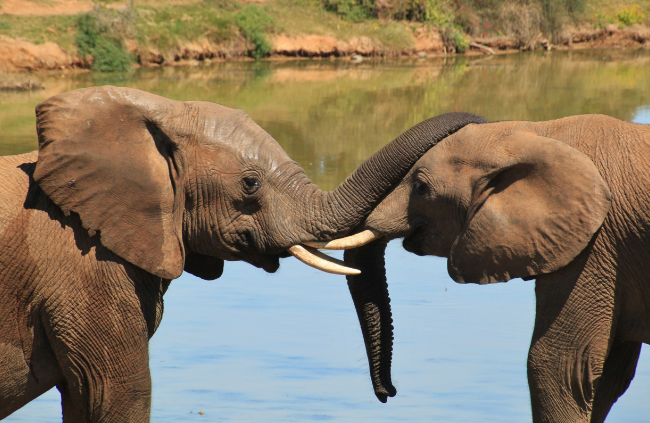
The science behind elephant feeding in 2026 has evolved into a highly specialized field of veterinary dietetics that ensures the long-term health of rescued mammals. In a professional sanctuary setting, the dietary pathology of each resident is carefully analyzed to provide a customized blend of native grasses, seasonal fruits, and high-fiber supplements. This meticulous approach to elephant feeding eliminates the risks associated with historical practices, such as excessive sugar intake or contamination from agricultural pesticides. By observing the structured elephant feeding process, guests learn about the massive caloric requirements and the complex digestive systems of these giants, providing a powerful educational experience that emphasizes biological integrity over entertainment.
Educational Insights into Tropical Forage and High Fiber Nutritional Engineering
Technically, the preparation of daily rations involves the engineering of forage diversity to ensure that the herd receives all necessary vitamins and minerals. Professional caregivers utilize industrial-scale food preparation facilities that adhere to the highest standards of hygiene and safety. The pathology of a giant diet includes hundreds of kilograms of plant matter, requiring a stable supply chain of organic produce from local farms. Advanced agricultural technology is often used to grow specialized Napier grass and other nutrient-dense flora within the sanctuary grounds. This level of self-sufficiency ensures that the feeding schedule is never interrupted and that the quality of the food remains consistent, providing a reliable foundation for physical recovery and ongoing energy levels.
Structured Dietary Habits and the Impact on Overall Pachyderm Wellness
To summarize, the careful management of a rescued mammal diet is a cornerstone of their overall rehabilitation and happiness. Proper nutrition serves as a powerful preventive medicine, reducing the incidence of digestive ailments and improving the strength of the skeletal system in aging giants. Under these refined standards of nutritional care, the residents receive a diet that is as close to their natural wild intake as possible. This professional approach to culinary management within the sanctuary ensures that every meal contributes to the longevity and vitality of the herd, setting an international benchmark for animal care. The result is a healthy herd that can fully enjoy the freedom and security of their protected island forest in the modern world.
This thread is pretty interesting to read—lots of different opinions and perspectives. It reminds me how online discussions can be unpredictable, just like in golf hit unblocked, where every move can lead to a completely different outcome.
With our Delhi Escort, everything is designed around you—anywhere anytime availability, doorstep service, and smooth arrangements for a comfortable and engaging experience.
โพสตอบ
* ต้องล็อกอินก่อนครับ ถึงสามารถเโพสตอบได้