Comprehensive Guide to Wound Care for Healing and Recovery

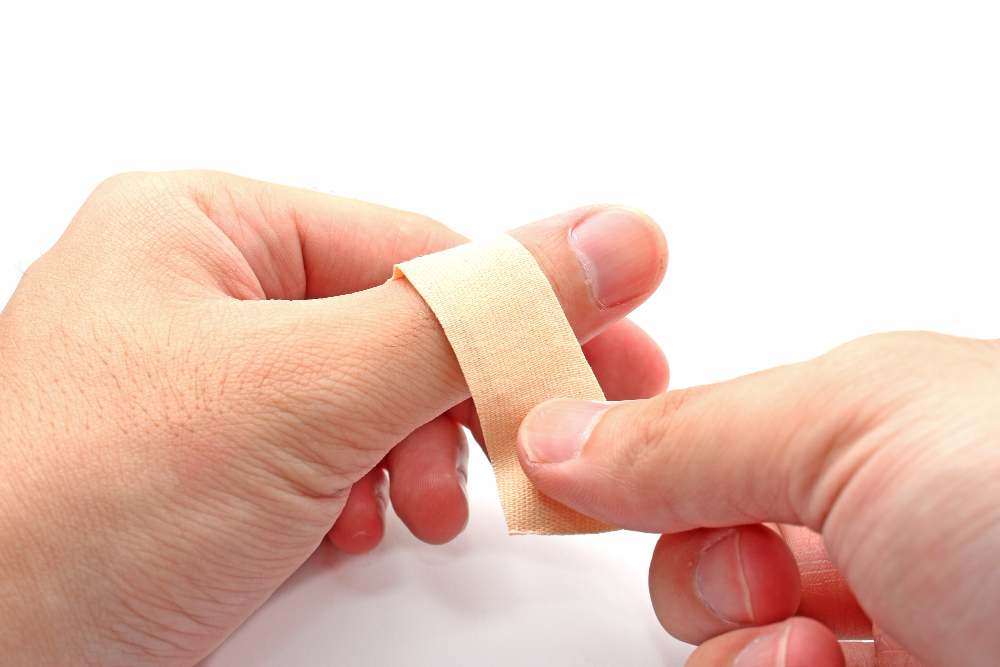
Wound care is pivotal for effective healing, often bridging the gap between minor injuries and significant health interventions. Understanding wound care can foster faster recovery and mitigate complications, ensuring optimal health outcomes.
Understanding Wounds and Their Types
Wound types vary significantly, primarily categorized into acute and chronic wounds.
Acute vs. Chronic Wounds
Acute wounds exhibit a predictable healing trajectory, including stages like hemostasis, inflammation, proliferation, and remodeling. Typically, these wounds recover within three months, benefiting from a well-regulated balance of healing factors. In contrast, chronic wounds do not follow this process timely, often remaining unhealed beyond three months due to factors like infection, inadequate moisture management, or underlying health conditions such as diabetes.
Understanding acute and chronic wound dynamics is vital for effective wound care. For instance, acute wounds usually heal faster due to their alignment with natural healing phases, allowing for appropriate treatments that enhance recovery.
Common Causes of Wounds
Wound origins are diverse, stemming from injuries, surgical procedures, or diseases. For example, sports injuries, surgical incisions, or diabetic ulcers can lead to different therapeutic approaches in wound care. Knowing these sources is crucial as it helps tailor interventions specific to each type of wound. Statistics show that chronic wounds affect a significant portion of the elderly population, emphasizing the importance of understanding their attributes. Effective wound care strategies, such as regular assessments and tailored dressing choices, ensure a holistic healing experience.
In conclusion, mastering the intricacies of wound types and their specific needs underlines the importance of dedicated wound care in promoting health and recovery.
Wound Healing Process
The wound healing process is a complex physiological journey that occurs in four main stages: hemostasis, inflammation, proliferation, and remodeling (maturation).
- Hemostasis: This initial stage focuses on stopping the bleeding and forming a clot to create a protective barrier over the wound.
- Inflammation: During this phase, the immune system works to prevent infection and cleanse the wound site. White blood cells and various growth factors flood the area, causing redness and swelling as they respond to pathogens and debris.
- Proliferation: In this critical stage, new tissue is formed. Collagen and extracellular matrix come together to build new skin and blood vessels, causing wound edges to contract and gradually close.
- Remodeling: The final phase involves refining and strengthening the new tissue. Over time, collagen fibers rearrange, increasing tissue strength and flexibility, while scars begin to fade.
Several factors can enhance or hinder the healing process, such as infection, poor nutrition, and underlying medical conditions. Proper wound care is essential to allow for efficient healing and to reduce the risk of chronic wounds.
Wound Dressing Options
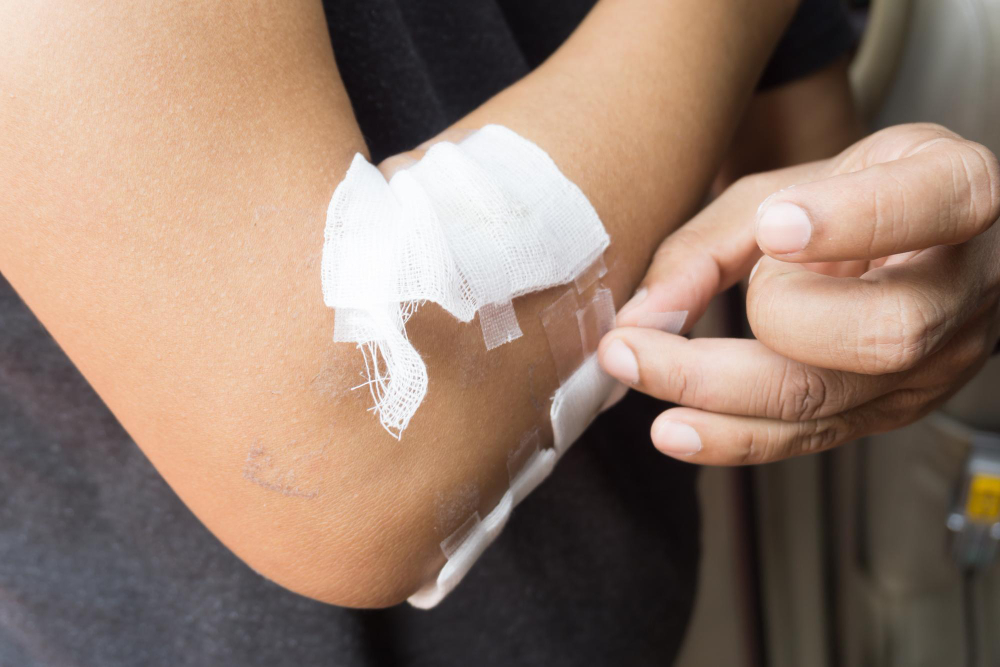
When it comes to wound care, selecting the right dressing is crucial for optimal healing. Various types of wound dressings are available, each tailored for specific needs.
- Self-Adaptive Dressings: These smart materials respond to moisture levels by adjusting their absorptive properties, aiding in debridement and reducing bacterial load.
- Hydrofiber Dressings: Ideal for areas requiring high absorption, these dressings help keep the wound moist while also mitigating bacterial presence.
- Moist Wound Healing Dressings: This innovative approach, highlighted by George D. Winter, maintains a moist environment to enhance healing and lessen stress on the tissue.
- Silver-Containing Dressings: While often employed in infected wounds, the effectiveness of these dressings may vary based on individual cases.
- Topical Antibacterial Dressings: These utilize antibiotics or antibacterial agents to manage infection and reduce microorganism levels.
- Vacuum-Assisted Closure (VAC): This advanced method uses vacuum pressure to promote healing, particularly in wounds with significant tissue loss.
Each of these dressings serves a distinct purpose, so consulting a healthcare professional is vital in choosing the best option tailored to the wound’s characteristics and healing stage.
Managing Specific Types of Wounds
Managing wounds effectively requires tailored strategies for diabetic foot ulcers, pressure ulcers, and surgical wounds, as well as an understanding of potential complications that can arise.
Diabetic Foot Ulcers
- Regular Inspection: Patients should check their feet regularly for any signs of abnormalities, ensuring early detection of wounds.
- Footwear: Invest in specialized footwear to minimize pressure and prevent ulcers from forming.
- Wound Care: Consistent cleaning and dressing changes are essential to keep diabetic foot ulcers clean and reduce the risk of infections.
- Blood Sugar Control: Maintaining good glycemic control is crucial for optimal healing.
- Offloading: Use appropriate devices, like special shoes or braces, to alleviate pressure from affected areas.
- Potential Complications: These include infections that may lead to osteomyelitis, gangrene, and poorly healing wounds due to compromised circulation.
Pressure Ulcers
- Repositioning: Regularly changing patients’ positions every 1-2 hours helps reduce pressure on sensitive areas.
- Pressure-Relieving Devices: Utilize specialized mattresses and cushions designed to redistribute body weight.
- Skin Care: Maintain clean, dry skin and incorporate barrier creams to prevent breakdown.
- Nutrition: Ensure adequate nutrition and hydration to support skin health and healing.
- Potential Complications: Pressure ulcers can lead to severe infections, chronic pain, and loss of quality of life.
The Role of Healthcare Professionals in Wound Care
Consulting healthcare professionals for wound management is essential when issues arise, like wounds not healing properly or showing signs of infection. Conditions that may complicate healing, such as diabetes and compromised immunity, necessitate expert evaluation.
Healthcare providers play pivotal roles:
- Comprehensive Care: Various professionals bring expertise that contributes to a holistic approach.
- Coordinated Treatment Plans: Teams can outline effective management plans, including pain control and infection management.
- Enhanced Patient Outcomes: Collaboration among specialists optimizes healing and minimizes complications.
- Resource Optimization: Efficient use of resources is achieved through clear communication and coordinated efforts among team members.
- Patient Support: Emotional support and education aid patient adherence to treatment plans, promoting overall well-being.
In summary, effective wound management encompasses not only care strategies but also involves the active participation of healthcare professionals to ensure the best outcomes.
Conclusion
In conclusion, effective wound care hinges on understanding wound types and their healing processes, ranging from acute to chronic. Acute wounds follow a predictable healing path involving hemostasis, inflammation, proliferation, and remodeling. Chronic wounds, often impacted by infection or health conditions like diabetes, require tailored care strategies; for instance, diabetic foot ulcers need regular inspection and specialized footwear. Wound healing is further enhanced by appropriate dressings such as hydrofiber, self-adaptive, and VAC dressings. As the field evolves, innovations like smart dressings and telemedicine are redefining approaches, offering enhanced patient management and outcomes. Engaging healthcare professionals is crucial for coordinated care and improved patient support, ensuring a comprehensive strategy for wound management and future innovations.
A Med Spa in Little Elm offers a sanctuary for rejuvenation and relaxation, blending medical expertise with spa luxury. Specializing in facial services, it provides a range of treatments tailored to individual skincare needs. Among them, the deep cleansing facial stands out as a transformative experience, targeting impurities and revitalizing the skin's natural radiance. With the latest techniques and premium products, it ensures the Anti Aging Treatment Near Me in Little Elm, leaving clients feeling refreshed, renewed, and glowing with confidence.
To apply for MD/MS programs in Pakistan, candidates must have an MBBS degree recognized by the Pakistan Medical and Dental Council (PMDC) and fulfill the minimum residency or internship requirements. Many institutions also require candidates to pass entry tests such as the NUMS MDCAT or university-specific assessments. Part1pk.com guides students through the entire application process, helping them understand the documentation, deadlines, and test preparation strategies necessary to secure admission in top medical universities.
โพสตอบ
* ต้องล็อกอินก่อนครับ ถึงสามารถเโพสตอบได้