Joint Pain: Causes, Symptoms, and Treatments


Joint pain refers to discomfort, pain, or inflammation occurring in or around a joint. This health issue can stem from various conditions, including arthritis, injuries, infections, and even aging. Understanding joint pain is crucial because it can significantly impact an individual's mobility and quality of life.
Joint pain may manifest in various ways, such as a dull ache, sharp pain, or stiffness, influencing daily activities. The severity of joint pain varies widely, making it vital to seek professional advice when symptoms interfere with daily functions. Proper management may include medication, physical therapy, or lifestyle adjustments tailored to specific conditions.
What is joint pain?
Joint pain encompasses a range of sensations experienced at the joint level, including tenderness, swelling, and a reduced range of motion. There are numerous types of joint pain, each with unique characteristics and potential impacts. Conditions like osteoarthritis generally represent wear-and-tear damage, while rheumatoid arthritis involves an autoimmune response leading to inflammation.
Each type may necessitate a different approach to treatment, further stressing the importance of understanding the nuances of joint pain. Factors such as age, weight, and activity level can also contribute to the severity and duration of joint discomfort.
Recognizing the root causes and symptoms related to joint pain can empower individuals to implement targeted interventions, from lifestyle changes, exercise routines, to medical consultations for pain management strategies. Ultimately, addressing joint pain early can lead to more effective relief and a better quality of life.
Possible Causes of Joint Pain
Joint pain is often a result of various underlying conditions that can significantly impact your mobility and quality of life. Osteoarthritis is one of the most prevalent forms, where the protective cartilage between bones deteriorates, usually occurring in individuals over 45. Another common cause is Rheumatoid Arthritis (RA), a chronic condition characterized by painful, swollen joints which can lead to deformities, particularly in the hands and wrists.
Additionally, Gout is a painful condition marked by the build-up of acidic crystals in the joints, frequently affecting the big toe. Other conditions include Bursitis, leading to joint pain from overuse, and Tendinitis, indicating inflammation of tendons due to repetitive strain. Both conditions typically affect joints such as the elbow and shoulder.
Beyond these diseases, joint pain can also arise from viral infections, injuries, or even certain lifestyle choices that damage joint health. An understanding of these potential causes is crucial for effective management and prevention strategies. Regular check-ups and a proactive approach to understanding these causes can significantly aid in maintaining joint health.
Care and Treatment Options for Joint Pain
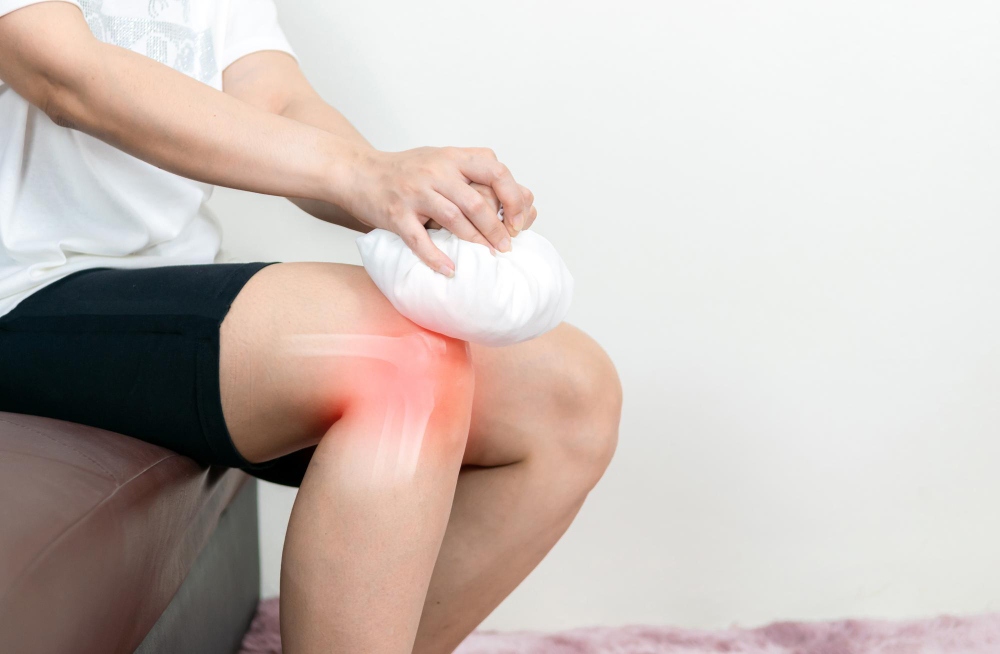
Managing joint pain effectively requires a combination of treatments and self-care strategies. Several approaches can be beneficial. At-home remedies like using heat or ice several times a day can provide immediate relief. Soaking in warm water may also ease discomfort.
Regular exercise is crucial; activities such as walking or swimming offer low-impact options that build strength without stressing the joints. It's recommended to consult a healthcare provider before starting any new exercise regimen.
Weight loss can significantly alleviate pressure on joints if overweight. Furthermore, medications, both over-the-counter and prescription, may help manage pain effectively. If these do not suffice, physical therapy can provide a tailored program to alleviate pain and improve flexibility.
Lastly, in severe cases where other treatments fail, surgery may be an option. Each individual's situation is unique, so working closely with a healthcare provider ensures the most appropriate treatments for joint pain are pursued.
When to Seek Medical Advice for Joint Pain
Joint pain can significantly impact your daily activities, so it's crucial to recognize when to consult a healthcare provider. If you experience joint pain that lasts more than a few days, is severe, or accompanies other troubling symptoms, it's essential to seek professional medical advice. Early intervention can prevent further complications, promoting better outcomes for overall health.
What symptoms of joint pain are cause for concern?
Several symptoms associated with joint pain indicate the need for medical attention. If you observe swelling, redness, warmth around the joint, or any kind of fever accompanying your joint pain, these could be signs of a serious condition. Immediate assessment is warranted if joint pain interferes with routine activities, affects mobility, or is intolerable. Timely medical intervention can help in diagnosing underlying conditions such as arthritis or other inflammatory diseases, ensuring appropriate treatment is started without delay.
When should joint pain be treated by a healthcare provider?
Joint pain should be evaluated by a healthcare provider if it persists over time, shows no signs of improvement, or disrupts your quality of life. Look out for specific criteria such as intense pain after an injury, inability to use the joint, or significant difficulty walking. Seeking advice on potential evaluations, like imaging tests or blood work, will help identify the underlying issue. A proper diagnosis is necessary to tailor a suitable treatment plan that may involve physical therapy, medication, or lifestyle changes.
Recognizing these symptoms and knowing when to seek help for joint pain can lead to better health management and enhance the quality of life. Taking proactive steps ensures that any underlying conditions can be addressed promptly.
Conclusion
Recognizing and addressing joint pain early can significantly improve quality of life. Understanding the various causes like osteoarthritis and rheumatoid arthritis, and considering lifestyle impacts such as diet and exercise, are crucial for prevention and management. Care options range from at-home remedies to exercise and professional medical interventions. Importantly, recognizing when to seek medical advice is critical. Symptoms like persistent pain or severe discomfort warrant professional assessment to avoid complications. By adopting proactive measures, individuals can effectively manage joint pain and maintain better joint health.
โพสตอบ
* ต้องล็อกอินก่อนครับ ถึงสามารถเโพสตอบได้