Understanding Brain Tumor: An Educational Resource

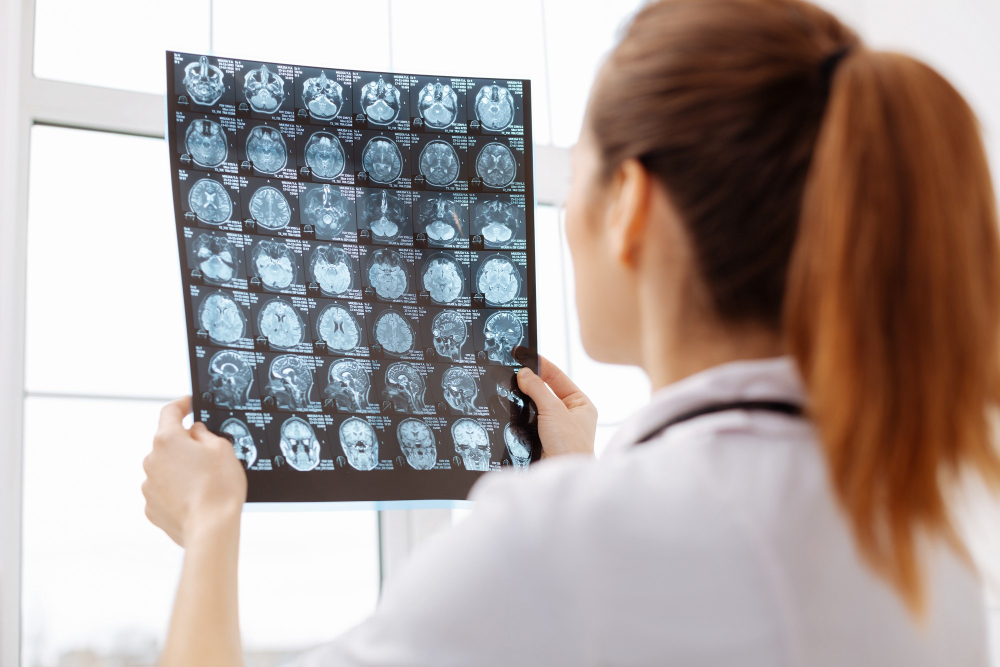
Explore in-depth knowledge on brain tumors, including symptoms, types, treatment options, and the roles of different brain lobes.
Brain tumors, classified broadly as neoplasms, are abnormal growths of tissue within the brain. They can be either benign (non-cancerous) or malignant (cancerous), impacting various brain functions depending on their location and size. Benign tumors typically grow slowly and do not spread to surrounding tissues, whereas malignant tumors can invade nearby structures and spread throughout the body. The understanding of brain tumors is critical for early diagnosis and effective treatment.
Symptoms of Brain Tumors
The symptoms of brain tumors can vary significantly depending on the tumor's type and location. Common brain tumor symptoms may include
- Headaches: Often described as persistent and escalating in intensity, headaches related to brain tumors may differ in type. These headaches can be tension-type, gradual onset, or sudden in nature. They may worsen with activity or upon waking.
- Behavioral Changes: Brain tumors can significantly impact an individual’s personality and behavior. Patients may exhibit mood swings, increased irritability, or periods of confusion. Such changes can be distressing for both the individual and their loved ones, making behavioral assessment crucial.
- Location-Specific Symptoms: Symptoms can also be particular to the tumor’s location within the brain. For instance, tumors in the occipital lobe may lead to vision problems, while those in the parietal lobe could affect spatial awareness and sensation. Understanding these nuances helps in the proper identification and treatment of brain tumors.
Recognizing these symptoms early can lead to timely intervention and improved outcomes for those affected by brain tumors.
Causes and Risk Factors of Brain Tumors
Identifying the causes and risk factors associated with brain tumors is essential for prevention and awareness. Known causes of brain tumors remain largely idiopathic, but several factors may increase risk. Genetic predispositions, exposure to radiation, and certain hereditary syndromes can contribute to the development of both malignant neoplasms and benign tumors.
Research indicates that certain environmental factors, although less clearly defined, may also play a role. For instance, occupational chemical exposures have been studied, though conclusive evidence remains limited. Additionally, individuals with compromised immune systems, such as those with HIV/AIDS, face a higher risk of developing brain tumors, underscoring the importance of regular health monitoring.
Enhancing awareness about brain tumor causes and risk factors is vital for early detection and possible preventive measures, ultimately improving patient care and prognosis.
Diagnosis of Brain Tumors
The diagnosis of brain tumors holds paramount significance in the management of neoplasms. Various methods and tests, including imaging techniques and pathological examinations, play an essential role in establishing an accurate diagnosis. Advanced imaging modalities such as MRI and CT scans are commonly employed to visualize brain structures, allowing for the identification of abnormalities that may indicate a tumor's presence.
Imaging Techniques
MRI (Magnetic Resonance Imaging) and CT (Computed Tomography) scans are invaluable tools in the diagnosis of brain tumors. MRI utilizes powerful magnets and radio waves to create detailed images of the brain, offering superior soft tissue contrast compared to CT scans. This imaging modality is particularly effective in detecting small tumors and assessing their morphology. Conversely, CT scans employ X-rays to produce cross-sectional images of the brain, often used in emergency settings for their speed. Both imaging techniques are crucial in forming a preliminary diagnosis of brain tumors.
Pathological Examination
The pathological examination is another fundamental component in the diagnosis of brain tumors. A biopsy, which involves obtaining a sample of tumor tissue, is often necessary to confirm the diagnosis. Pathologists analyze the tissue under a microscope, providing critical information about the tumor type, grade, and potential for malignancy. This examination assists healthcare professionals in determining the most appropriate treatment plan tailored to the patient's needs.
Types of Brain Tumors

Brain tumors can be classified into various categories, each with distinct characteristics and treatment implications. Recognizing key examples of brain tumors and their qualities aids in their proper management. Among these are benign and malignant tumors, which exhibit different biological behaviors.
Benign Tumors
Benign brain tumors are characterized by their non-cancerous nature and generally slower growth rates. Examples include meningiomas and neurinomas (schwannomas), which often present with specific symptoms, depending on their location within the brain. While benign tumors may not always require immediate intervention, regular monitoring is essential to assess any potential growth or symptomatic changes.
Malignant Tumors
Malignant tumors represent a more aggressive category and include glioblastomas and astrocytomas. These tumors are characterized by uncontrolled cell growth and potential for infiltration into neighboring brain tissues. Understanding the symptoms associated with glioblastoma, such as severe headaches and neurological deficits, is critical for prompt diagnosis and subsequent treatment.
Treatment Options for Brain Tumors
Treatment options for brain tumors encompass a range of modalities, including surgery, chemotherapy, and radiation therapy. The choice of treatment is influenced by factors such as tumor type, location, and patient health.
Surgical intervention is often the first line of treatment for accessible tumors, aiming to remove as much of the neoplasm as possible. Chemotherapy may be employed to target malignant tumor cells that have spread beyond the primary site, utilizing drugs to impair tumor growth. Radiation therapy serves as an effective adjunct, particularly in cases where complete surgical resection is unfeasible, helping to reduce tumor size and alleviate symptoms. In all cases, a multidisciplinary approach is crucial to optimize patient outcomes and tailor therapy accordingly.
Living with a Brain Tumor
Living with a brain tumor presents numerous challenges for patients and their families, emphasizing the need for relevant support and resources. Patients often find it essential to connect with support groups that offer emotional and practical assistance. These groups can provide not only valuable information regarding treatment options but also coping strategies to navigate daily life. Building a reliable support network alleviates feelings of isolation, allowing patients to share experiences and insights with others on similar journeys.
Coping Strategies
One of the major aspects of managing a brain tumor is to develop effective coping strategies. Guidance on managing symptoms, such as headaches and fatigue, is critical. Patients may also experience shifts in their mental health, often related to the emotional toll of a cancer diagnosis. Encouraging healthy communication with caregivers and other family members can significantly impact a patient's emotional resilience. Maintaining a positive cancer personality, which embodies hope and determination, is essential for emotional well-being. Alongside these strategies, mindfulness practices such as meditation can help mitigate stress and enhance quality of life.
Follow-Up Care
The importance of follow-up care cannot be overstated once treatment for a brain tumor is completed. Regular check-ups are vital to monitor any changes and to address potential recurrences of the tumor. These appointments may include MRI scans or other imaging studies to assess the brain's status. Staying vigilant through follow-up care helps in the early detection of any complications or new developments, allowing for timely intervention. This proactive approach is instrumental in ensuring patient safety and long-term health.
Conclusion
Understanding brain tumors is crucial for early diagnosis and effective treatment, as these neoplasms can profoundly impact brain functions. Symptoms vary with the tumor's type and location, necessitating timely recognition for better outcomes. Diagnosis relies heavily on imaging techniques like MRI and CT scans, while pathological examinations confirm the tumor's nature. Treatment options include surgery, chemotherapy, and radiation therapy, with a multidisciplinary approach optimizing results. Patients living with brain tumors benefit from support groups, coping strategies, and meticulous follow-up care. Ongoing research, including immunotherapy and genetic profiling, promises innovative treatments. Advancements in minimally invasive surgery and focused radiation therapies signal improved future outcomes in brain tumor management.
โพสตอบ
* ต้องล็อกอินก่อนครับ ถึงสามารถเโพสตอบได้